Federal Reserve Proposes Rules to Implement the GENIUS Act for Stablecoin Regulation
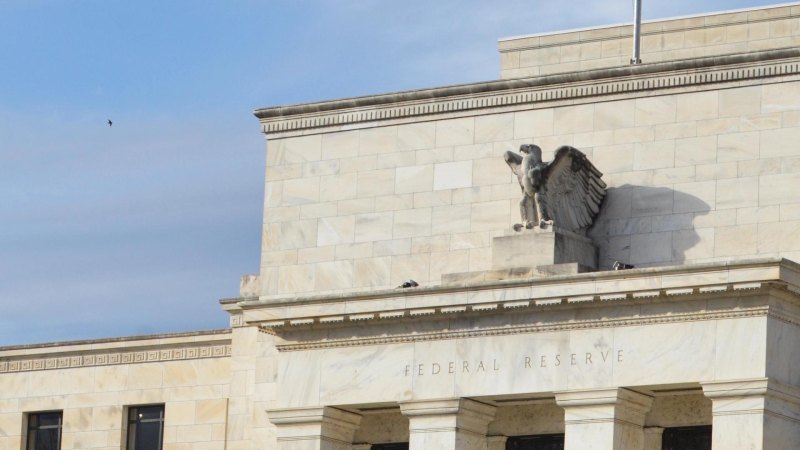
The U.S. Federal Reserve has unveiled two sweeping regulatory proposals designed to put the GENIUS Act into practice - the landmark legislation that sets the ground rules for issuing and circulating stablecoins in the United States. The proposals are now open for a 60-day public comment period, after which the Fed will refine them and publish final versions.
What the Fed's New Proposals Cover
The first set of proposals tackles the foundational pillars of stablecoin soundness: capital and reserve requirements for issuers. The central bank wants to ensure that every token in circulation is fully backed by highly liquid assets and that issuers maintain sufficient buffers to weather market stress. This same document also outlines permissible stablecoin-related activities for supervised banks and includes provisions on reward programs.
The second proposal lays out the application process a regulated bank must complete to gain approval for issuing its own stablecoins. The required documentation includes:
- A detailed business plan for issuance operations
- Financial statements and data on the institution's overall health
- Internal policies and procedures governing token issuance and circulation
The Yield Debate: Can Stablecoins Pay Interest?
One of the most contentious aspects of the new framework is whether stablecoin holders can earn interest or yield. The GENIUS Act explicitly prohibits issuers from paying interest on token holdings, but the exact boundaries of that ban remain hotly debated.
"Under the proposal, certain types of third-party arrangements would be deemed prohibited payments of interest or yield," the Fed stated, noting that its approach is aligned with the Office of the Comptroller of the Currency (OCC).
In practice, regulators are only allowing a very narrow rewards model - something akin to credit card loyalty programs. The question of how far crypto platforms like Coinbase can go in incentivizing stablecoin users was actually one of the sticking points that derailed the Digital Asset Market Clarity Act. With that legislative effort having failed, the GENIUS Act remains the primary regulatory framework in this space.
A Multi-Agency Effort and Looming Deadlines
The Fed is far from the only federal body working to build out the regulatory architecture for stablecoins. The GENIUS Act mandated that banking regulators and the Treasury Department finalize their rules by July 2026. Technically, that deadline has already been missed, but agencies have made significant headway in recent months:
- The Treasury Department published its own proposals last month, clarifying what it means to issue stablecoins under U.S. jurisdiction and who falls under the law's requirements
- The Federal Deposit Insurance Corporation (FDIC) kicked off its rulemaking process back in December, becoming the first of several federal agencies to begin drafting regulations
- In June, multiple agencies jointly proposed requiring stablecoin issuers to identify users under standards comparable to those applied to traditional financial institutions
Why Stablecoin Stability Is Ultimately a Regulatory Question
"Stablecoins will only be stable if they can be reliably and promptly redeemed at par under a wide range of conditions," said Fed Governor Michael Barr. "That includes periods of market stress, when even liquid government debt can come under pressure, as well as situations where the issuer itself or affiliated entities run into trouble."
Finalizing the rules after the public comment period typically takes several months - and in some cases, considerably longer. Still, the combined efforts of the Fed, OCC, FDIC, and Treasury signal that the United States is methodically assembling a comprehensive regulatory framework for the stablecoin industry, aiming to strike a balance between fostering innovation and safeguarding financial stability.