U.S. Crypto Regulation: Washington Pushes for Clearer Market Rules
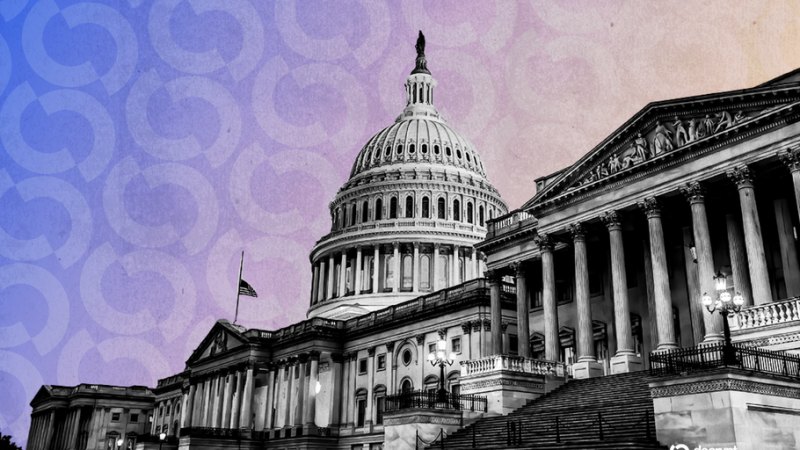
Washington is moving the crypto debate from campaign rhetoric toward formal regulation. With volatile digital asset prices and rising institutional demand, U.S. policymakers are trying to build a more predictable legal framework for bitcoin, stablecoins, tokenized assets, and crypto trading platforms.
A key political signal has come from Donald Trump, who argues for clearer rules for the sector. His position: the United States should not push crypto companies offshore, but reinforce its lead in digital finance, blockchain infrastructure, and payment systems.
Why U.S. Crypto Regulation Became a Priority
The United States remains one of the most important capital markets for crypto. Decisions by U.S. regulators affect domestic firms, global exchanges, stablecoin issuers, DeFi protocols, and institutional investors. Clarifying the legal status of digital assets can shift sentiment across the global market.
The core problem in recent years has been the lack of a unified approach among agencies. Some tokens may be treated as securities, others as commodities, while many products sit in a gray area. That leaves companies exposed to litigation risk and investors unsure about the protection they can expect.
For the crypto market, the issue is not simply lighter rules. Businesses need predictability; investors need a transparent rulebook.
The SEC: From Enforcement Toward Written Standards
The U.S. Securities and Exchange Commission remains one of the most powerful actors in crypto oversight. The SEC focuses on investor protection, disclosure, and policing unregistered securities offerings. The market wants more than enforcement: it wants clearer guidance in advance.
If the SEC shifts from regulation by lawsuit toward written standards, legal uncertainty could fall for crypto exchanges, custodians, token issuers, and developers of blockchain-based financial products. Key questions include token listings, asset classification, institutional access, and disclosure requirements.
The CFTC Warns on Derivatives and Spot Risks
The Commodity Futures Trading Commission is also watching digital assets more closely. The CFTC has long viewed bitcoin and several other cryptocurrencies as commodities, but its concerns go beyond futures. The agency monitors derivatives, margin trading, price manipulation, and operational risks at trading venues.
The CFTC’s warnings reflect the broader U.S. stance: crypto markets can develop, but not without controls on abuse, adequate liquidity, proper handling of customer funds, and efforts to reduce systemic risk.
What Could Change for Crypto Companies
A clearer U.S. regulatory model could become one of the industry’s most important shifts. Digital asset companies would be better able to plan products, raise capital, and launch services without the constant risk that supervisors suddenly reinterpret the rules.
- Crypto exchanges could get clearer requirements for listings, custody, and reporting.
- Stablecoin issuers are likely to face tighter oversight of reserves, liquidity, and transparency.
- Institutional investors would have stronger grounds to enter if regulatory uncertainty declines.
- DeFi protocols may face harder questions on user identification, governance, and developer liability.
- Retail investors could see stronger protections, though some high-risk products may become less accessible.
Politics and the Election Cycle
Cryptocurrencies are part of a wider political debate in the United States. Trump’s support for the industry raises pressure on lawmakers and regulators, especially as much of the crypto community rejects an approach where rules are written mainly through fines and court cases.
Washington still balances innovation with caution. Officials do not want to lose technological leadership to other jurisdictions, while regulators remain concerned about fraud, money laundering, excessive borrowed capital, and threats to financial stability.
Impact on the Crypto Market
For bitcoin, ether, and the largest altcoins, greater regulatory clarity in the United States could help over the long term. Clearer rules for launching and distributing financial products raise the potential for institutional demand. In the short term, tougher supervision may pressure segments with uncertain legal status.
The most sensitive areas remain token issuance, centralized trading platforms, stablecoins, and yield-generating protocols. If the new rules are strict, the market may consolidate as weaker or less transparent players exit.
The central question is whether the United States can protect investors while keeping its crypto industry competitive.
Bottom Line
Washington is signaling a more systematic approach to digital assets. Political support for clearer rules, the SEC’s evolving posture, and the CFTC’s risk warnings all suggest U.S. crypto regulation is entering a new phase.
For the market, that means both opportunities and constraints. Companies willing to operate transparently and meet supervisory standards may benefit from institutionalization. Projects that depend on legal ambiguity risk heavier pressure.