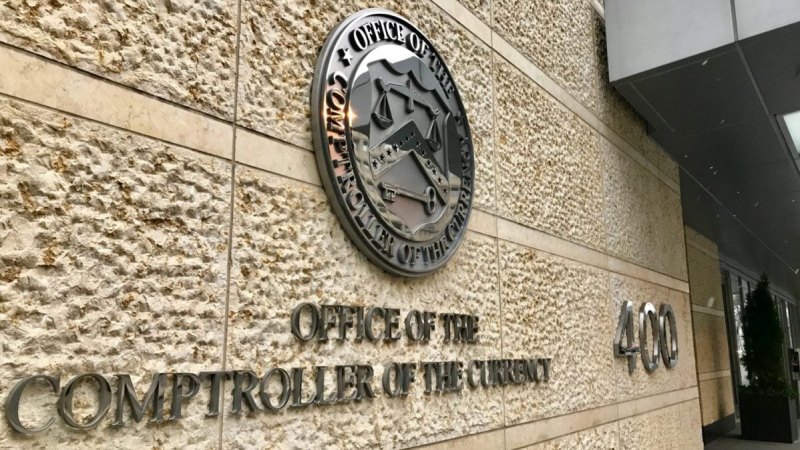
U.S. Treasury Opens Public Comment Period on Stablecoin Rules Under the GENIUS Act
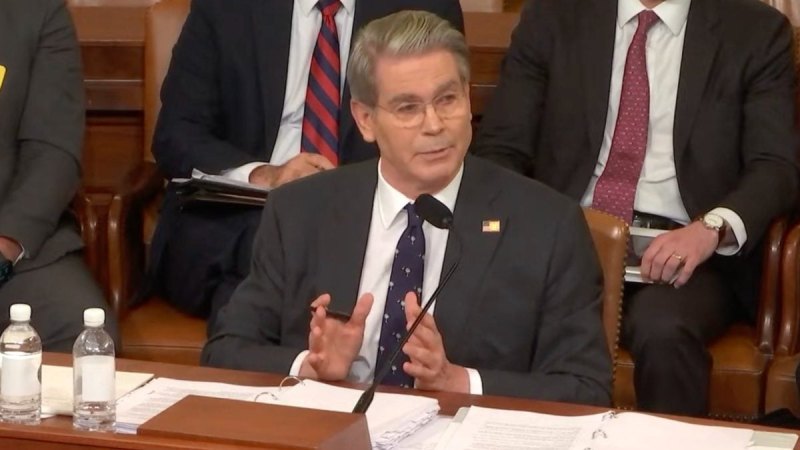
The U.S. Department of the Treasury has kicked off a formal public comment process to help shape the regulatory framework for stablecoins under the GENIUS Act - short for Guiding and Establishing National Innovation for US Stablecoins. The move marks a pivotal step toward comprehensive federal oversight of dollar-pegged digital assets.
What Is the GENIUS Act and Why Does Public Input Matter?
The GENIUS Act is designed to establish a unified, nationwide framework for stablecoin issuance. The bill sets out hard requirements for issuers: full reserve backing, regular audits, and mandatory licensing. By opening the floor to public comment, Treasury is soliciting perspectives from industry players, academics, consumer advocates, and ordinary citizens before the rules are finalized - a standard but consequential part of the U.S. rulemaking process.
Key Pillars of the Proposed Framework
- Reserve Requirements: Issuers must maintain assets on a strict 1:1 basis against tokens in circulation, primarily in U.S. Treasuries and cash equivalents.
- Licensing: Any company issuing stablecoins above a defined threshold must obtain either a federal or state-level license.
- Transparency and Reporting: Regular public disclosure of reserve composition and independent third-party audits would be mandatory.
- Big Tech Restrictions: Non-financial corporations and technology giants could face significant limitations on issuing their own stablecoins.
Why This Matters for Global Crypto Markets
As the world's largest financial market, the U.S. setting federal stablecoin rules carries outsized global implications. Dominant stablecoins like USDT and Tether's USDC collectively process trillions of dollars in transactions each year, and their issuers will need to rework business models to comply with the new requirements.
"Clear federal stablecoin regulation has the potential to boost investor confidence, reduce systemic risk, and reinforce the U.S. dollar's dominance in the digital economy," industry experts note.
Timeline and Next Steps
Once the comment window closes, Treasury will review submissions and deliver final recommendations to Congress. A definitive version of the GENIUS Act is expected as part of the broader digital asset legislative push that the current White House administration has been driving hard. For market participants, the message is increasingly clear: the era of regulatory ambiguity for stablecoins in the United States is drawing to a close.