CLARITY Act: U.S. Treasury Urges Senate to Advance Crypto Market Structure Bill

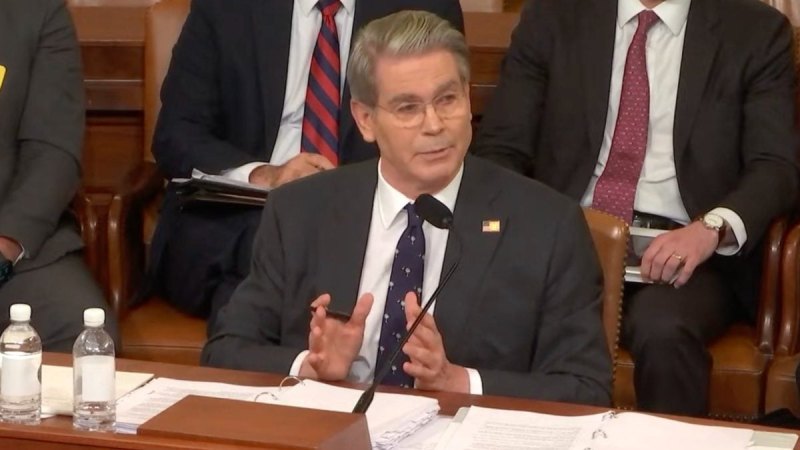
U.S. Treasury Secretary Scott Bessent has pressed lawmakers not to delay the CLARITY Act — a key bill for the American crypto market. A vote is expected after senators return from the August recess.
Months of political and industry debate surround the bill. It aims to set core rules for digital assets in the United States and cut uncertainty over which tokens are securities, which are commodities, and which are stablecoins.
Why the Treasury Is Pushing CLARITY
Bessent said the Senate should keep negotiating and support procedural steps to move the bill. Delay, in his view, could hurt the digital asset market and broader U.S. strategic interests.
Failure to advance the CLARITY Act could be read by allies and competitors as a signal that the United States is not ready to lead in digital assets and is dropping tools against abuse.
His message mixes innovation, national security and global competition. Washington wants to keep developers, exchanges and stablecoin issuers from moving to jurisdictions with clearer rules.
What the Market Structure Bill Would Do
The CLARITY Act would formalize how authority is split among U.S. regulators, ease friction between agencies and give market participants clearer operating standards.
- classify digital assets as securities, commodities or stablecoins;
- clarify duties of financial market regulators;
- create a legal base for crypto firms working with tokens and infrastructure;
- strengthen tools against illicit crypto use;
- cut regulatory uncertainty that has held back institutions.
The House backed the bill earlier, then progress stalled. Stablecoins and user yield remain flashpoints. Banking groups opposed models that could compete with deposits.
Political Divisions
Ethics amendments for public officials added tension: bans on promoting crypto projects or taking personal profit from them. The issue grew political amid Democratic criticism of Donald Trump’s family and crypto ventures.
Some Democrats still called the text too weak and demanded more changes. Talks grew harder, and a vote once eyed before the summer break slipped.
The Trump Administration’s Position
President Donald Trump also backs cryptocurrency legislation. He has said the United States must keep leadership in bitcoin and digital assets and needs clear rules to do it.
For the White House, CLARITY is part of a bid to keep the U.S. a crypto innovation hub. Bessent’s appeal reads as an executive-branch priority signal.
What CLARITY Could Change
Senate passage would give the market a statutory architecture. That matters for major exchanges, token issuers, custody providers, payments firms and institutions.
- Crypto companies could assess legal risk more accurately when launching products.
- Investors would gain clearer status for digital assets.
- Regulators would work with more defined powers.
- Stablecoins would face a dedicated supervisory regime.
- The United States would strengthen its position in the race for crypto infrastructure.
Passage would not end every dispute. Enforcement details, agency roles and token classifications would still need guidance — and fresh fights.
Why the Senate Vote Matters Globally
U.S. rules often travel far beyond U.S. borders. If CLARITY becomes law, other jurisdictions may use it as a reference, and crypto firms serving U.S. customers would face a new standard.
For digital assets, the vote tests whether Washington will shift from regulation by lawsuit to a clearer statute. Bessent’s statement was read as a signal that crypto sits on the economic and geopolitical agenda.